Jeeca Uy's The Foodie Takes Flight: The Filipino Table, Rebuilt in Tofu
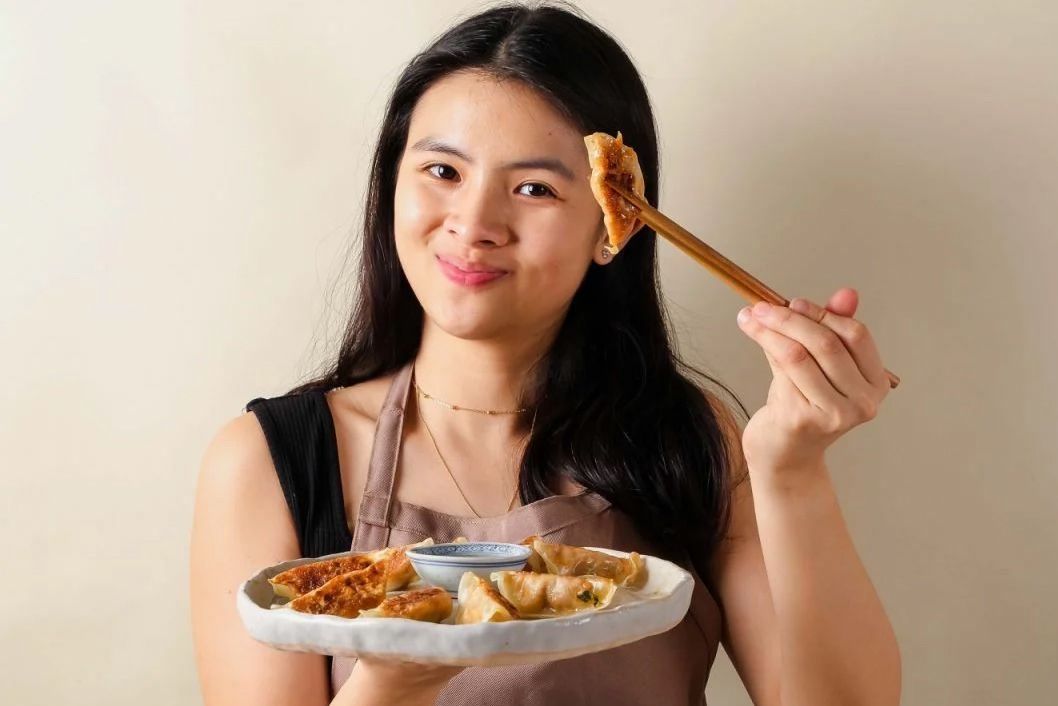
Jeeca Uy, the Filipino vegan cook and Vegan Asian author behind The Foodie Takes Flight. Photo courtesy of Jeeca Uy, via Tatler Asia
The Foodie Takes Flight Filipino and Asian home cooking rebuilt in tofu by a cook who grew up on the meat versions thefoodietakesflight.com

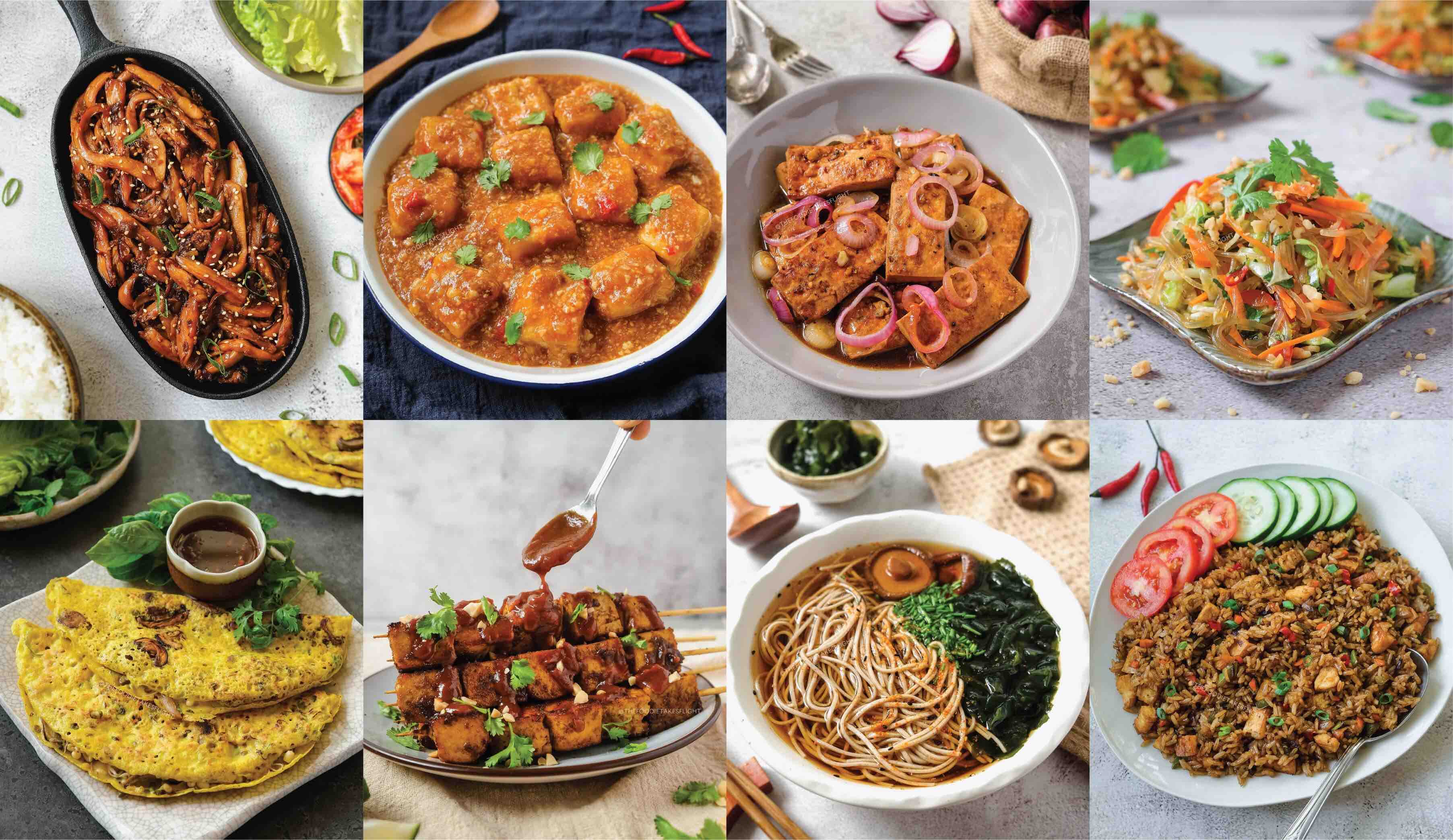
"Filipino cuisine is very meat-heavy!" Jeeca Uy says it with an exclamation mark and no apology, because it is simply true. Adobo is commonly chicken or pork, tapa is beef cured with salt and fried crisp. So when she went vegan, overnight in April 2015 after watching the documentary Earthlings, she had a problem most vegan food writers do not: the food she loved most was the food she had just given up.
The Foodie Takes Flight is how she solved it. She started it that same month, right after high school, as an Instagram account to document what she was cooking at home, and kept it going through university as a side project. It grew into a recipe site of tofu, mushrooms and beans doing the work that meat used to, a cookbook, Vegan Asian, published by Page Street in 2021, and in the summer of 2024 a place in the Plant-Based Culinary Arts Program at the Institute of Culinary Education in New York, with an internship at the vegetarian restaurant abcV. The name, she explains, is two halves of her: "foodie" for a family that fed her every cuisine they could find, and "takes flight" for travel and for leaving the nest.
A Filipino-Chinese Kitchen, Made Without Meat
Uy grew up in the Philippines with a Chinese background, and her kitchen carries both. Her mother learned to cook from both of Jeeca's grandmothers, her ama and her guama, and Jeeca learned by watching them, and from cooking shows. That double inheritance runs through the site. There is Filipino-Chinese chop suey, a dish so familiar that "Ang chop suey!" is what she grew up hearing about anything that was a jumble. There is her mother's sopas, the milky macaroni soup she remembers being made in one big batch "for all of us to share." There is tofu adobo, on which the family splits: her mother adds sugar to balance the vinegar, her sister prefers a sweeter Chinese-style adobo outright.
What makes the cooking work is that she chose tofu deliberately. It is cheap and easy to find, she writes, and her whole method assumes a home cook with an ordinary market rather than a specialist shop. She asks of every recipe that people anywhere can make it with simple, affordable ingredients and lose nothing in flavour. Like Jun Belen, whose Junblog writes the Filipino table down from memory, she is cooking from the inside of the cuisine. Like Suzanne Nuyen of Bun Bo Bae, she is interested in what families actually eat rather than what restaurants serve. The difference is that Uy has to rebuild each dish before she can write it down.
Two Pieces Worth Exploring
Rodic's Tapa (Vegan Filipino Recipe)
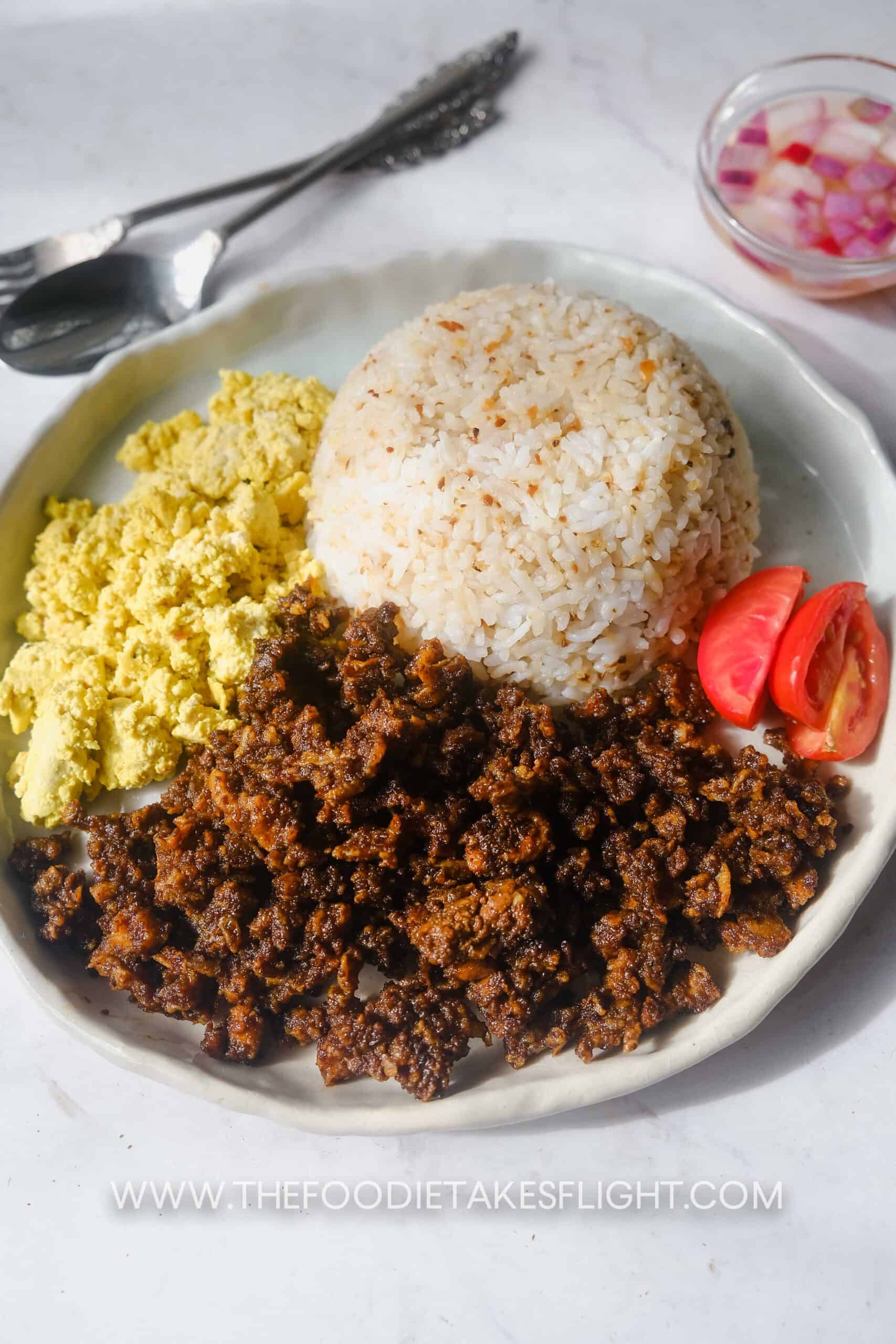
Rodic's Tapa A university diner's tapa, rebuilt from grated tofu thefoodietakesflight.com
Rodic's Diner, she explains, "first opened its doors in 1949 in the University of the Philippines, Diliman," which happens to be her alma mater, and she remembers it in its first spot at the campus Shopping Center, before it moved to its current home beside the Alumni Center. It is known for its tapa, sweet, savoury and shredded into small pieces. Her version starts with a trick she found in a TikTok video and admits she cannot trace: grate a block of extra-firm tofu on a cheese grater, spread it thin and air-fry it until it crisps into something that looks and chews like minced meat. Then it is marinated in sugar, soy and dark soy, and fried in plenty of oil, because the oil is standing in for the fat the beef would have carried. The plate is a full tapsilog: garlic fried rice, a turmeric tofu scramble in place of the egg, and a vinegar with red onion that turns pink as it sits. It is a recipe and a memory of a place at the same time.
Tofu Adobo (Filipino Adobong Tokwa)
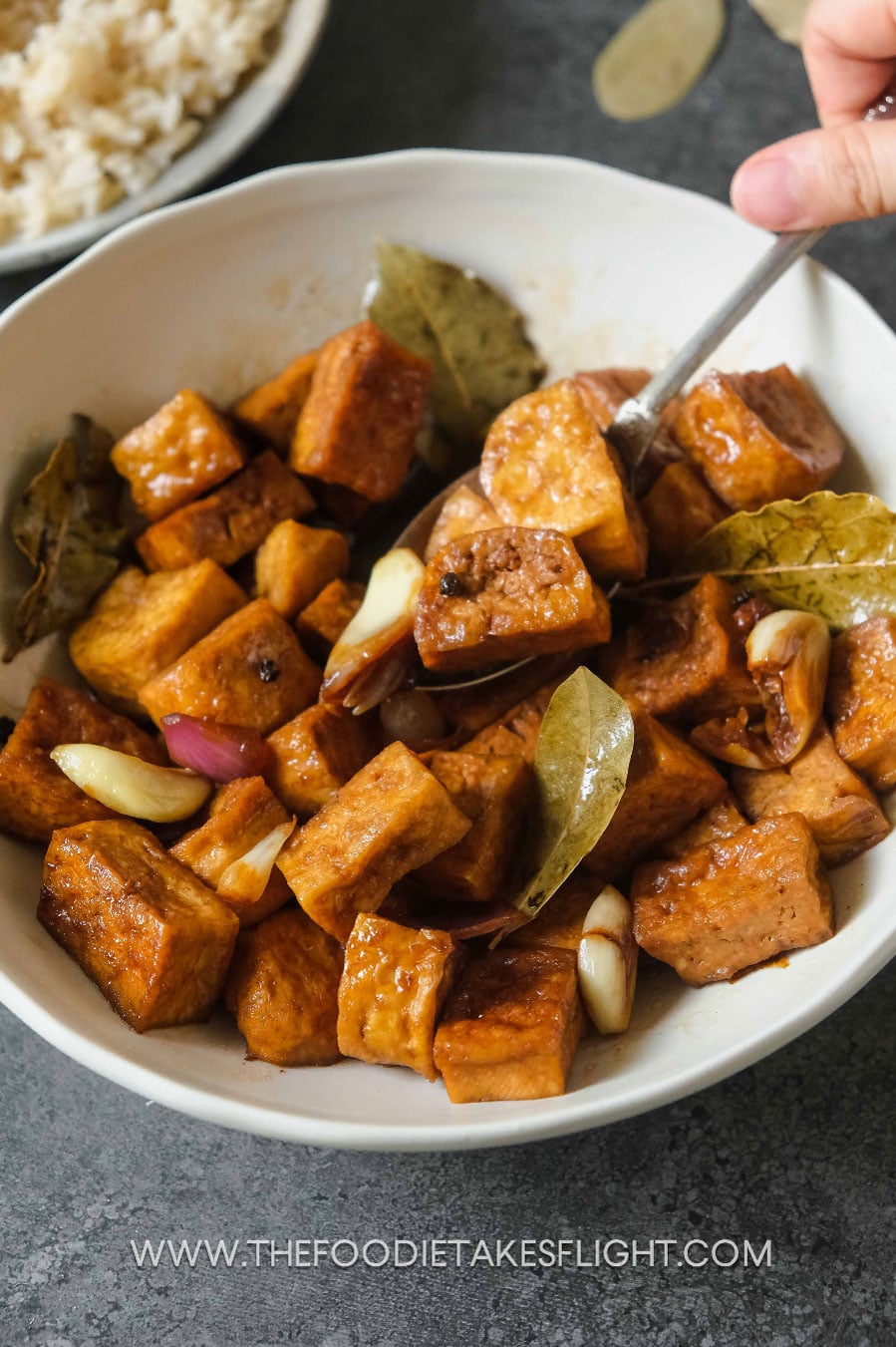
Tofu Adobo The national dish as a method, with tokwa as the sponge thefoodietakesflight.com
"Adobo is actually a way of cooking," she writes, and that one sentence is why the dish survives the loss of its pork. The method is soy sauce, vinegar, garlic, bay leaves and peppercorns, simmered down, and every household sets its own balance of salt, sour and sweet. Her answer to the missing meat is tokwa, cubed and pan-fried until crisp so it holds its shape, then simmered until it soaks the sauce up like a sponge. Freeze the tofu first, she suggests, and it comes out meatier and chewier. The frying oil does the work of the pork belly. It is the right place to start with her site, because it shows how she thinks: work out what the meat was actually contributing, then find something on an ordinary market shelf that does the same job.
Why It Matters
There is a quiet assumption in a lot of food writing that a vegan version of a dish is a lesser copy, made by someone outside the tradition for someone else. The Foodie Takes Flight cuts against it. These are the dishes Uy grew up with, cooked by the person who knows what they are supposed to taste like, in a cuisine where the meat versions are everywhere. Her recent posts range further, into Japanese salads, steamed silken tofu and a Vietnamese banh hoi platter, but the Filipino recipes in her archive are the heart of the site, and they answer the question her readers keep asking her: how do you eat vegan in the Philippines and still eat Filipino?
Her answer, recipe after recipe, is that you keep the method, the memory and the balance on the plate, and you change only what has to change. She learned that from her mother, her ama and her guama, and she has written it down for everyone else.
Explore The Foodie Takes Flight: https://thefoodietakesflight.com
We're featuring exceptional food blogs that bring unique perspectives to cooking and culture. At ChefTalk, we're building a voice-first cooking companion that transforms any recipe into hands-free guidance, action by action. Learn more.