Catherine Perez's Plant Based RD: Her Mother's Dominican Cooking, Made Vegan
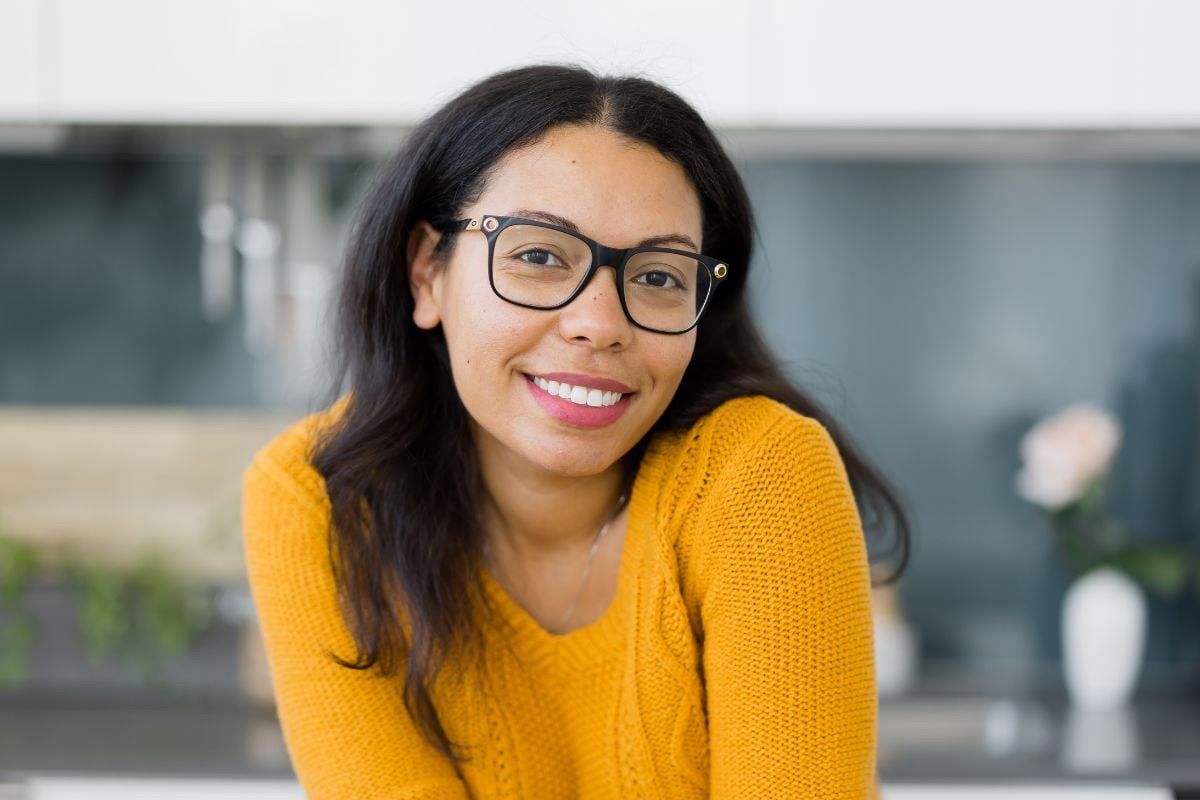
Catherine Perez, the registered dietitian behind the vegan Dominican recipes of Plant Based RD. Photo courtesy of plantbasedrdblog.com
Plant Based RD A registered dietitian's vegan recipes, with the Dominican food she grew up on at their heart plantbasedrdblog.com

One of the biggest challenges of going vegan, Catherine Perez writes, was telling her mom. She expected her mother to think she was crazy. Instead her mother just looked at her, confused. Her mother is Dominican and had never met a vegan. Her first conclusion was that her daughter didn't want her food anymore. "This thought really broke her," Perez remembers, and she had to explain quickly that it wasn't true. She still wanted her mother's food and her culture. They would just have to change a few things.
Going vegan changed more than her cooking. Perez went vegan in 2009, first for her health, because many risk factors run in her family. It also showed her that nutrition education needed "more diverse voices like my own," so she changed careers. She earned a master's degree in human nutrition at Drexel University, completed her dietetic internship through the University of Houston, and passed her registered dietitian exam in 2015. She worked as a cardiology dietitian, a grocery store dietitian and a nutrition counselor before her recipes on Instagram became her full-time job. She started the blog in 2017 as a place to keep the recipes she loved and the handouts she made for her clients. In 2024 HarperCollins published her first cookbook, Peaceful Kitchen, with more than 100 plant-based recipes drawn from Dominican and Mexican flavors.
A Dominican Kitchen, Written Down With Measurements
Most of the blog is everyday vegan cooking: grain bowls, salads, tofu dinners, the food a dietitian wants her readers to eat on a Tuesday. But running through it is a set of Dominican recipes that are clearly closer to her heart. There is moro de guandules, the rice with pigeon peas that appears at every family gathering. There is asopao, the thick rice stew her mother likes with nothing but auyama, a West Indian pumpkin, and that Perez makes with seared tofu in place of chicken. There are pastelitos, the filled pastries her mother makes in large numbers at Thanksgiving and Christmas. Her mother adapted her recipe so her daughter could eat them too, and Perez fills hers with tempeh. And there is morir soñando, the orange juice and milk drink whose name means "to die dreaming," which her mother used to make in the blender on hot summer days.
Her recipes also do something her mother's cooking never needed: they give exact measurements. Her mother, she writes, "like most mothers has always educated with sight and feeling." Perez learned moro without exact measurements, so her version spells out what her mother never had to say: how low to set a gas flame, what to do on an electric stove, which pots work, and how to fix rice that has not cooked through. She explains the concón, "what we Dominicans call the crispy rice at the bottom of the pot," and how to get it golden without burning it. She names the caldero, the aluminum pot many Dominican families own, then tells you that any heavy pot will do. Her own conclusion about the vegan versions is simple: "No one should have to give up their culture or traditions just because they don't eat meat. In fact, I feel closer to my culture because of it."
She is not alone in this. Regi Pearce of Nuts & Twigs cooks her Cuban family's Miami table again, fully vegan, and Jeeca Uy of The Foodie Takes Flight rebuilds the Filipino dishes she grew up on with tofu. What Perez adds is a dietitian's training.
Two Pieces Worth Exploring
Arroz con Gandules Dominicano (Moro de Guandules)
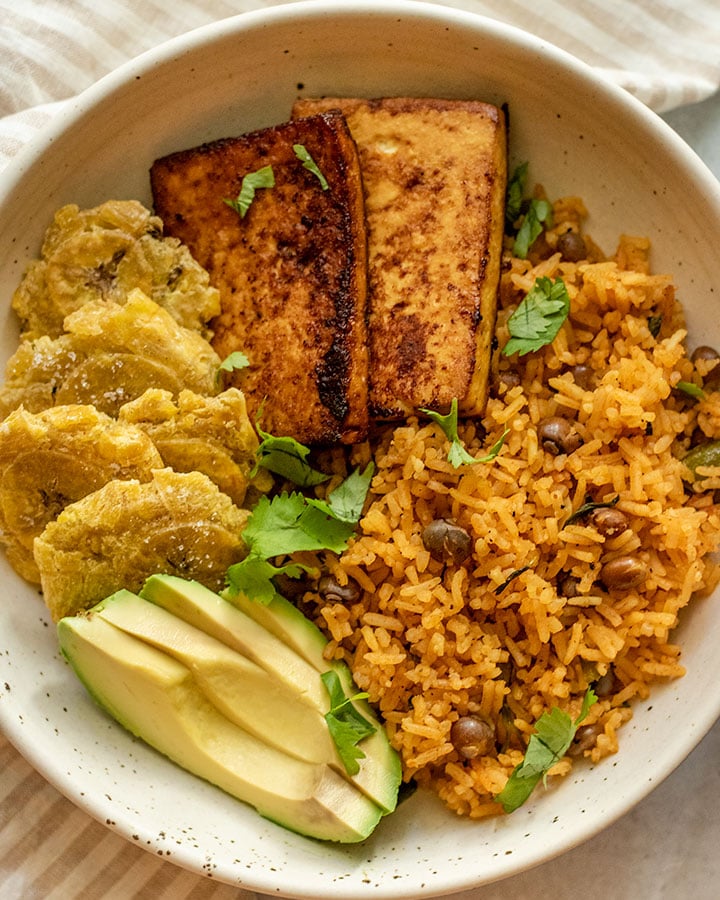
Moro de Guandules The family's rice for every special occasion, made vegan with her mother's help plantbasedrdblog.com
Her moro de guandules post tells the story of that conversation with her mother, and it ends well. Her mother has been "amazing and super considerate" ever since, and "specifically worked to find a way for me to enjoy this rice." Moro de guandules is the dish Perez asks for most when she goes home, and her mother makes it whenever she stops by. The vegan change is small: a vegetable bouillon cube in place of the chicken one her family calls "sopita." The rest of the post is about how every cook in the family makes it a little differently. Her mother uses canned tomato sauce rather than paste. Her aunt adds olives. Perez's own favorite combines her aunt's olives with her mother's cilantro. Her mother serves it with tostones and sliced avocado, and these days she makes some tofu to go with it, too.
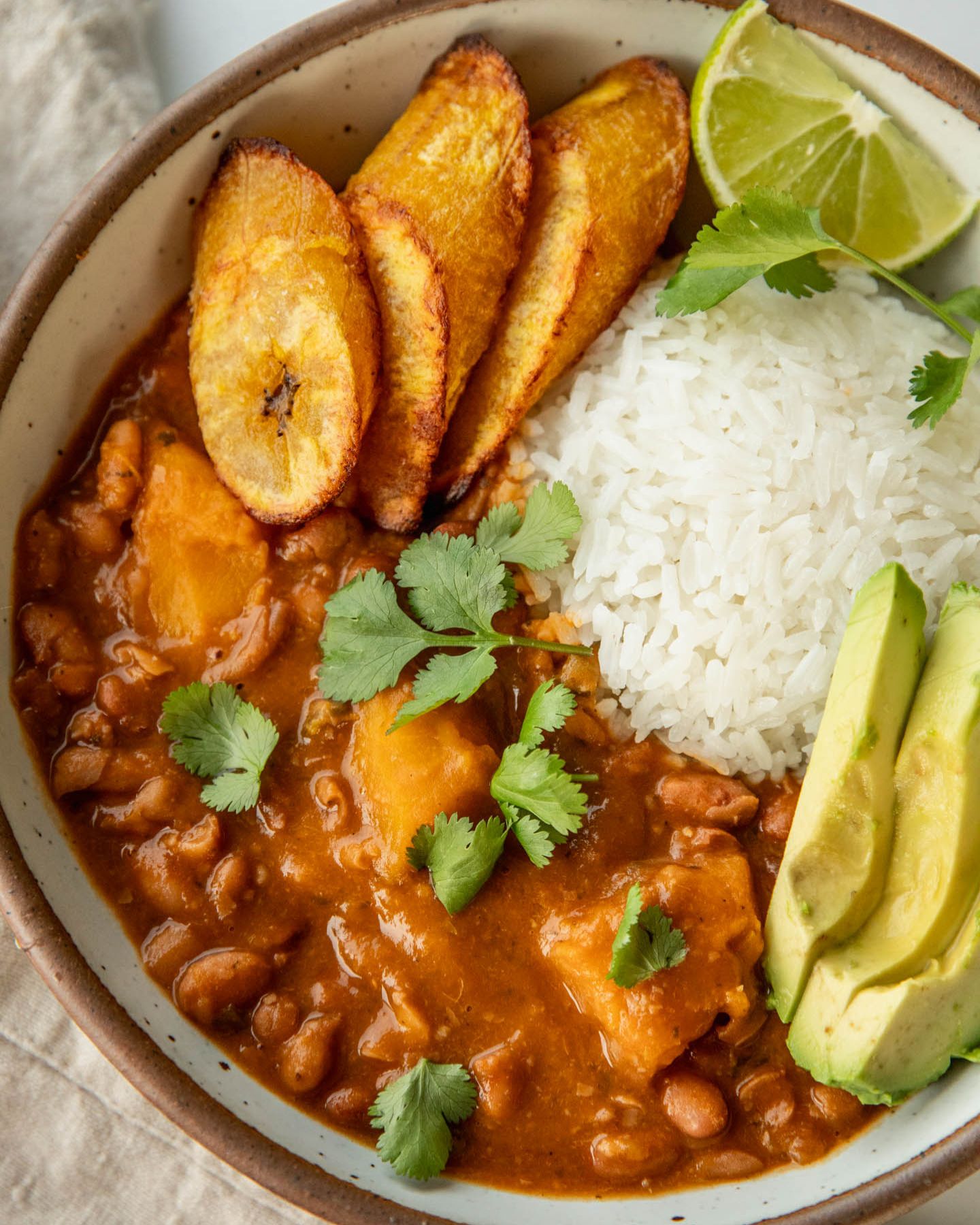
Habichuelas Guisadas Dominican stewed beans from scratch, with a dietitian's case for cultural food plantbasedrdblog.com
Her habichuelas guisadas, Dominican stewed beans, open with what she calls her nutrition lesson of the day: "don't let people tell you that your cultural foods aren't nutritious." Then come the beans she grew up eating, soaked overnight, simmered with onion and bay leaf, and finished with a fresh sofrito of peppers, garlic, scallion, cilantro, vinegar and lime, made in a blender. Her mother sometimes adds winter squash, or Yukon gold potatoes when she can't find it. Her mother also cooked dried beans in very large batches and froze them, so one batch lasted her through the month. Perez makes a large batch of the finished stew and freezes it. A short section at the end, "Make It Balanced," explains that the beans bring fiber and protein, and that the herbs, garlic, onions and peppers in sofrito count toward your vegetables for the day. It is a good first recipe from her site, because it shows both sides of her work at once.
Why It Matters
In one of her posts, Perez writes that many people have called Dominican food "unhealthy." Her blog answers them one dish at a time, with a dietitian's reasons. People who grew up on rice, beans and stews are often told to give them up. Perez tells them to keep cooking them, and shows how much good is already in the pot. Haiti and the Dominican Republic share one island. Readers who know the Haitian side from Annick Mégie's Tchakayiti will find the Dominican side here, cooked without meat.
Her mother once thought going vegan meant leaving her cooking behind. Instead, her daughter wrote it down, measured it out and shared it with everyone. Catherine Perez kept her mother's food and her culture, and changed only what she needed to.
Explore Plant Based RD: https://plantbasedrdblog.com
We're featuring exceptional food blogs that bring unique perspectives to cooking and culture. At ChefTalk, we're building a voice-first cooking companion that transforms any recipe into hands-free guidance, action by action. Learn more.